Admission open for 2026

Faculty & leadership
We are a community that celebrates diversity, encourages collaboration, and values the individuality of every student.
Value & vision
We are a community that celebrates diversity, encourages collaboration, and values the individuality of every student.
Alumni
We are a community that celebrates diversity, encourages collaboration, and values the individuality of every student.
Achievements
We are a community that celebrates diversity, encourages collaboration, and values the individuality of every student.
Accreditation & Partnerships
We are a community that celebrates diversity, encourages collaboration, and values the individuality of every student.
Campus Thika
We are a community that celebrates diversity, encourages collaboration, and values the individuality of every student.
Campus Nakuru
We are a community that celebrates diversity, encourages collaboration, and values the individuality of every student.


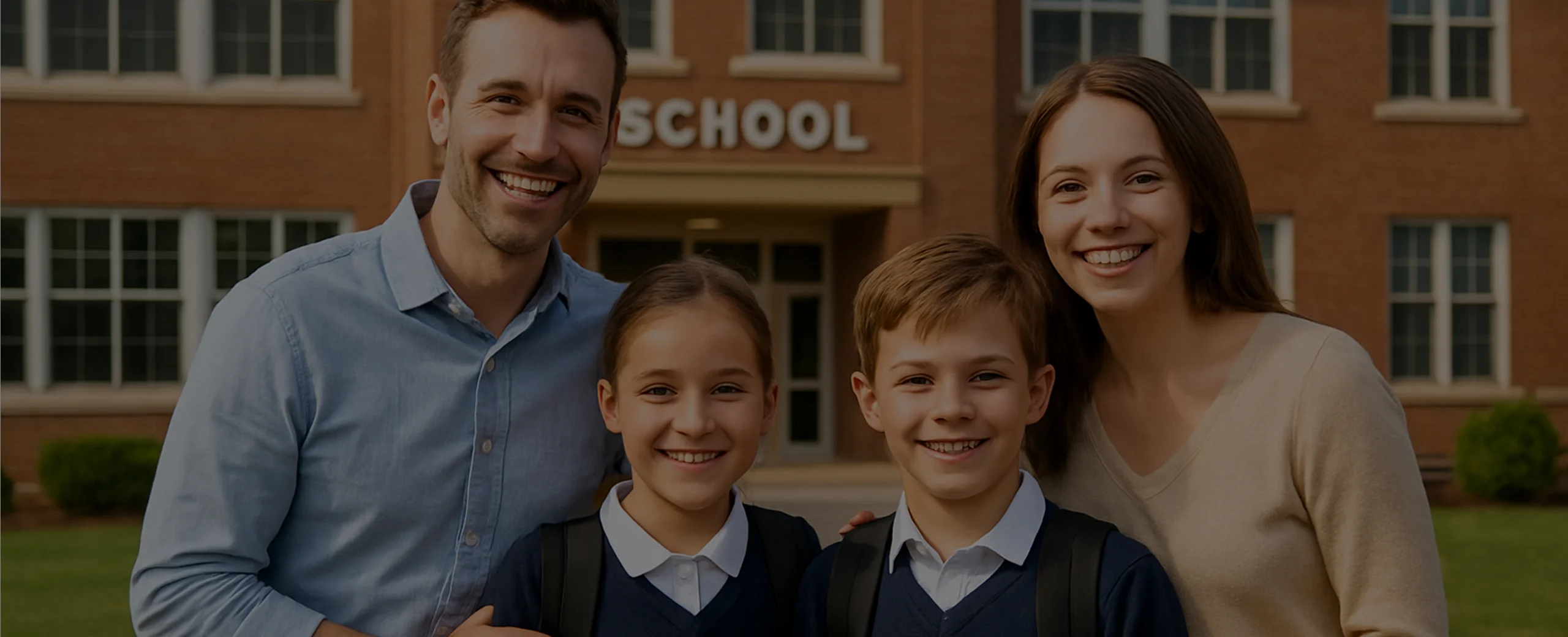
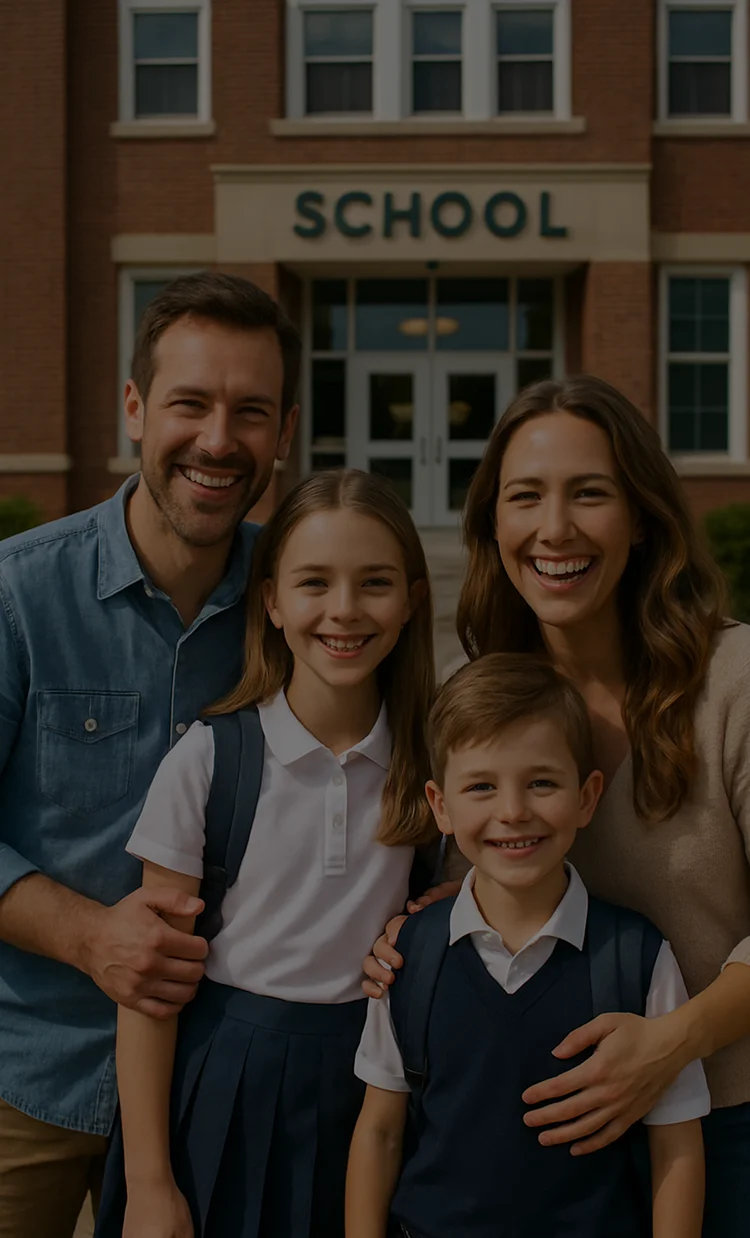
Learnings That Prepare Students for Tomorrow
At Cambridge School, we encourage curiosity and critical thinking, guiding students to become compassionate and future ready individuals. From early years to senior grades, we cultivate consistent excellence and lasting interest in learning beyond classroom walls. Dedicated educators provide personalised guidance, helping every student uncover passions and build essential skills for lifetime success.
Curriculum highlights
Our curriculum combines academic rigour, life skills, creative thinking, digital literacy, and moral education, ensuring students grow with clarity, confidence, and relevant skills for school and beyond.
Life Skills, PSHE & Value Education across all grades
Assessment: Ongoing and formal CBSE evaluations.
Coding and Robotics from primary levels upward
Future ready: Competitive exams preparation
Art and Drama Learning Modules
Digital Citizenship & AI as emerging disciplines
Curriculum by wings
Pre-primary wing (Nursery – KG)


SAE curriculum
Planned to create joyful, stress-free learning using stories, music, games and group-based activities.

Holistic growth
Uses Montessori methods and play-based learning to support curiosity, independence and early social development.

Foundational skills
Focus on reading readiness, number basics, movement, drawing and everyday tasks helps students build skills in speaking, counting, coordination, and creativity.
Primary wing (Classes I - V)


Child-centric learning
SAE program removes examination pressure and guides learning through skill development and curiosity.

Core academics
Students study English, Hindi, Mathematics and Environmental Studies in structured and balanced curriculum.

Co‑curricular Activities
Regular enrichment includes art, music, theatre, general knowledge, clubs, robotics, and sports for holistic student development.

Interactive Learning
Classrooms employ hands‑on projects, science fairs, digital tools, and experiential methods described within Cambridge pedagogy.
Middle Wing (Classes VI - VIII)


CBSE-Aligned Learning
Follows CBSE framework with subject-specific focus in languages, mathematics, science, and social science.

Subject Integration and Continuity
Builds conceptual depth through progressive links between prior knowledge and middle school academic requirements.
Enrichment through Co-Scholastics
Includes art, music, physical education, digital literacy, and value education as structured part of timetable.

Skill-Based Pedagogy
Focuses on analytical thinking, collaborative projects, reading habits, and meaningful technology usage in classrooms.
Senior Wing (Classes IX - XII)

Stream options
Students choose Science, Commerce or Humanities streams with tailored subject combinations aligning with CBSE subject requirements.

CBSE Assessment Model
Senior classes follow CBSE assessment norms including periodic tests, pre-boards and formal exam evaluations.

Laboratory-based Instruction
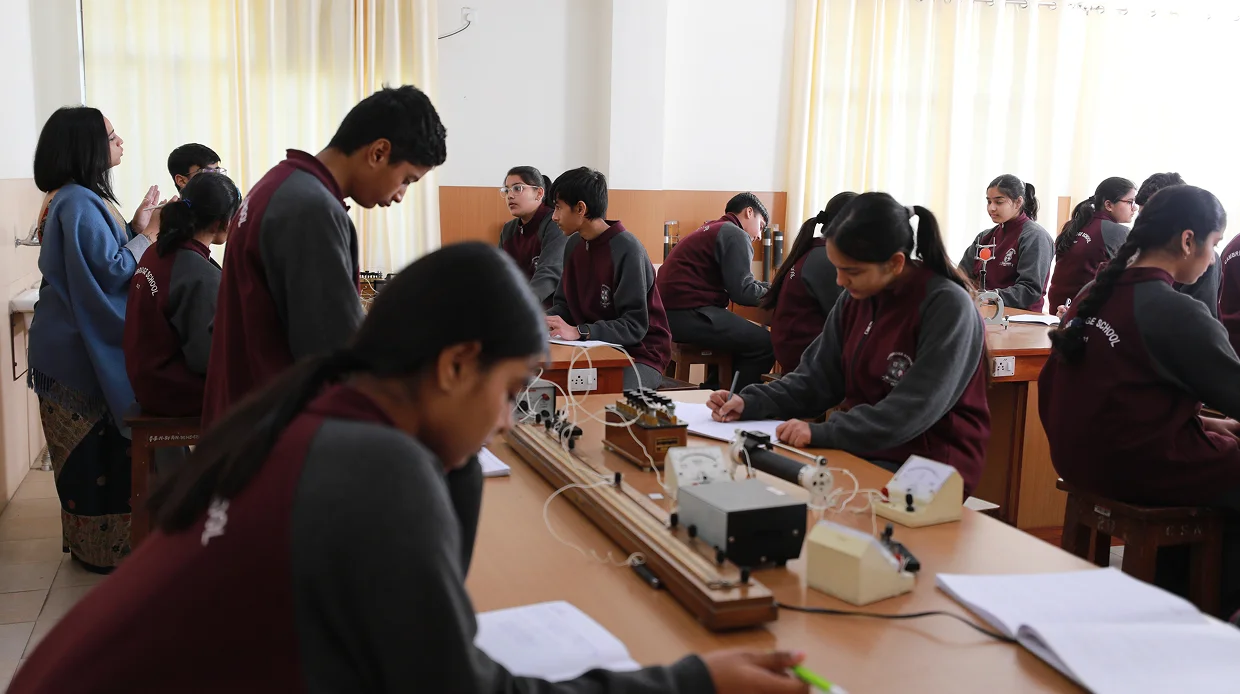
Classes IX–XII use well-equipped labs for Physics, Chemistry and Biology fostering practical experiential learning.

Professional Career Guidance
Students attend expert sessions on career paths, aptitude profiling and higher education options post Class XII.
Pedagogy & Innovation

Student-led inquiry and Socratic questioning
Digital integration through smart boards and collaborative platforms
Experiential learning in science labs and maker spaces
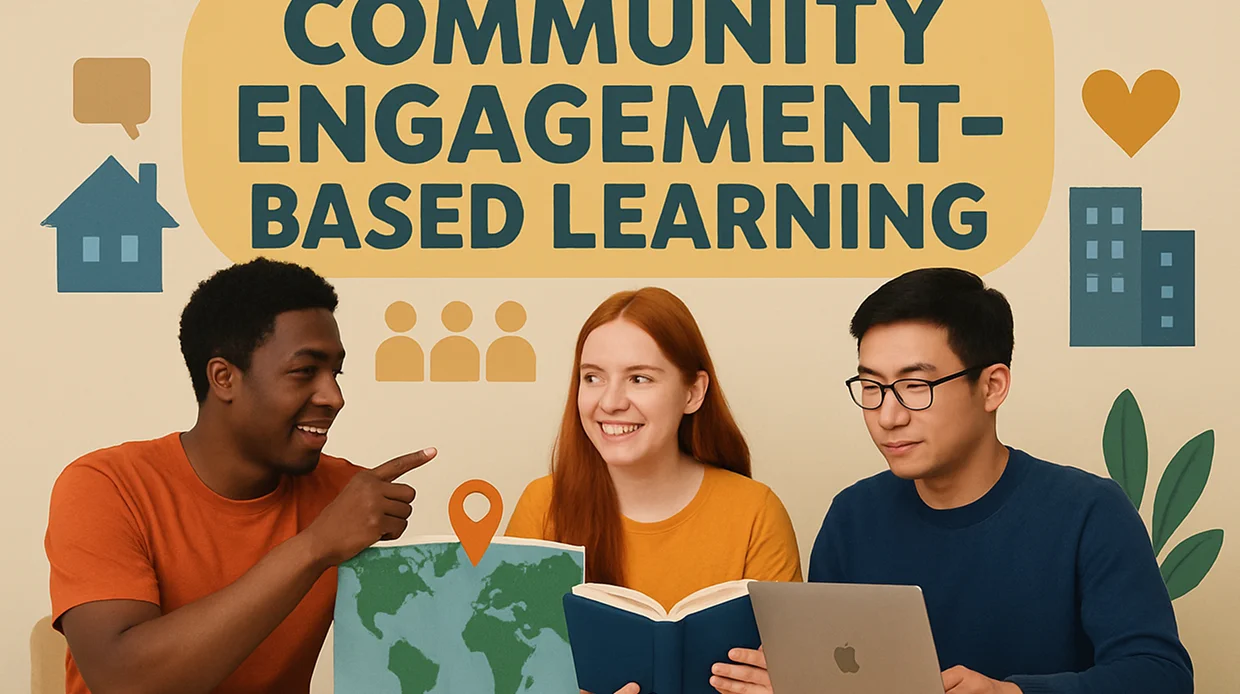
Community-based learning through projects and civic initiatives
Collaborative group work through peer learning structures
Reflective practice through portfolios and self-assessment
Admission Open 2026
Real experiences from our students and parents that echo trust and transformation.
Apply for session 2026
First Name *
Last Name *
Email Address *
Phone number *
Get in Touch


Stay connected with ICMHS


About ICMHS
Imperial College of Medical and Health Sciences is a registered private tertiary medical training institution regulated by TVETA. The college is committed to training health and medical courses in artisan, certificate & diploma levels.
Students/Staff
Get in Touch
Stay connected with ICMHS
Copyright ©2026 | ICMHS
Growth tech partner:
Powered by
Intellsys
Build with
Ottokart
Ventured by
GrowthJockey