ICMHS Blogs

Blended Classroom: A Modern Approach to Learning


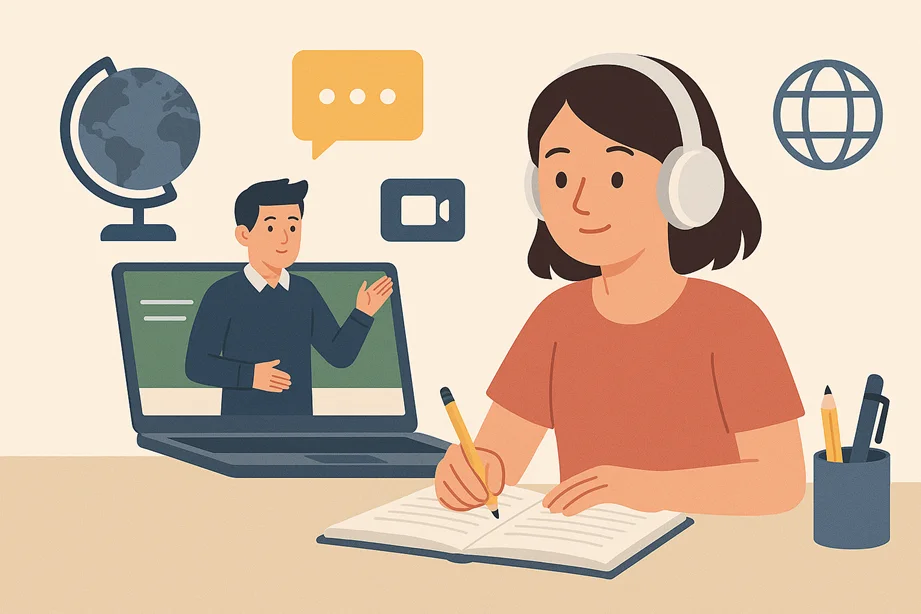
"# Blended Classroom: A Modern Approach to Learning\r\n\r\nEducation has evolved significantly over the years, adapting to societal and technological advancements. Traditional classrooms, once characterized by blackboards and chalk, have now transformed into interactive learning environments where technology plays a crucial role. One of the most innovative approaches in modern education is the blended classroom, which combines traditional face-to-face teaching with digital learning resources.\r\n\r\nThe blended learning model offers the best of both worlds — providing the structure of conventional education while integrating the flexibility and innovation of online learning. As students' learning preferences and technological advancements continue to change, blended learning ensures that education remains relevant, engaging, and effective.\r\n\r\nLet us explore the concept of blended learning, its benefits, challenges, and the way forward in making education more interactive, personalized, and accessible.\r\n\r\n---\r\n\r\n## Understanding the Blended Classroom\r\n\r\nA blended classroom integrates traditional teaching methods with online tools, creating a dynamic learning environment. It allows students to engage with both physical and digital content, enabling them to learn at their own pace while still benefiting from teacher guidance and peer interaction.\r\n\r\nIn a blended learning setup, students may attend in-person classes while also accessing online lectures, assignments, quizzes, and discussions through digital platforms. This model bridges the gap between traditional education and e-learning, fostering a holistic educational experience.\r\n\r\n---\r\n\r\n## Key Components of a Blended Classroom\r\n\r\n- Face-to-Face Instruction – Teachers interact with students in a physical classroom, guiding them through lessons, discussions, and hands-on activities. \r\n- Online Learning Resources – Digital tools like video lectures, e-books, discussion forums, and interactive simulations supplement classroom learning. \r\n- Self-Paced Learning – Students can review materials at their convenience, reinforcing concepts and improving retention. \r\n- Collaborative Activities – Group projects, virtual discussions, and peer assessments encourage teamwork and knowledge sharing. \r\n- Assessment and Feedback – Online quizzes, automated grading, and personalized feedback help track student progress efficiently. \r\n\r\nThis hybrid model enhances student engagement, fosters critical thinking, and accommodates diverse learning styles.\r\n\r\n---\r\n\r\n## Benefits of Blended Learning\r\n\r\nBlended learning is rapidly gaining popularity due to the numerous advantages it offers for students, teachers, and educational institutions.\r\n\r\n### Personalized Learning Experience\r\nBlended classrooms cater to different learning paces and styles. Some students grasp concepts quickly, while others need additional time and resources. With online content available anytime, students can revisit lessons, pause videos, and engage in interactive exercises at their convenience.\r\n\r\n### Increased Student Engagement\r\nTraditional lectures can sometimes feel monotonous, but a blended approach introduces interactive elements such as quizzes, gamified lessons, and virtual labs. These digital tools make learning more engaging and enjoyable, reducing boredom and improving information retention.\r\n\r\n### Flexibility and Accessibility\r\nStudents can access learning materials from anywhere, eliminating the constraints of location and rigid schedules. This is especially beneficial for learners with disabilities, working professionals, and those in remote areas who may not have regular access to quality education.\r\n\r\n### Improved Teacher Efficiency\r\nBlended learning allows teachers to automate administrative tasks such as attendance tracking, grading, and assignment submissions. This gives educators more time to focus on teaching, mentoring, and addressing individual student needs.\r\n\r\n### Real-World Skill Development\r\nThe integration of technology in education prepares students for the modern workforce, where digital literacy, problem-solving, and self-directed learning are crucial skills. By navigating online platforms and collaborating virtually, students gain hands-on experience that is highly relevant in today's job market.\r\n\r\n### Cost-Effectiveness\r\nBlended learning reduces the costs associated with printed textbooks, transportation, and classroom infrastructure. Schools and universities can invest in digital resources, benefiting a larger number of students at a lower cost.\r\n\r\n---\r\n\r\n## How Cambridge Has Embraced Blended Learning\r\n\r\nCambridge has integrated blended learning by equipping teachers with laptops for research and lesson preparation using PowerPoint and Word. These presentations are shown in class and shared with students for better understanding.\r\n\r\nWith interactive panels in every classroom, the learning environment has been transformed. These digital screens replace blackboards and whiteboards, making lessons more engaging and interactive.\r\n\r\n### Key Features of Interactive Panels\r\n\r\n- Touchscreen Capabilities – Students can write, draw, and move objects directly on the screen. \r\n- Gamification – Educational games, quizzes (on platforms like Kahoot), and simulations make learning fun. \r\n- Real-Time Collaboration – Multiple students can work together on the panel, encouraging teamwork. \r\n\r\nThis hands-on approach improves retention, especially in subjects like math, science, and geography.\r\n\r\n### Access to Digital Resources\r\n\r\n- Teachers can display videos, animations, and 3D models for clearer explanations. \r\n- Students can access e-books, PDFs, and online materials instantly. \r\n- Cloud storage enables easy saving and retrieval of lessons, reducing paper use. \r\n\r\nWith interactive quizzes and instant feedback tools, teachers can track student progress in real time.\r\n\r\nBy embracing technology-driven education, Cambridge has created a modern, efficient, and inclusive learning experience, ensuring students stay engaged and well-prepared for the future.\r\n\r\nEach classroom is equipped with high-speed internet, ensuring a smooth and efficient teaching-learning experience.\r\n\r\nTeachers utilize software like Canva to create high-quality presentations and posters, having undergone specialized summer training conducted by the school.\r\n\r\nThe entire school staff is connected through a cloud-based ERP system, which manages student and teacher data, including evaluations, report cards, fees, salaries, library resources, HR management, daily attendance, and leave tracking.\r\n\r\n---\r\n\r\n## Challenges in Implementing Blended Learning\r\n\r\nDespite its advantages, blended learning comes with challenges that educators and institutions must address to ensure a smooth transition.\r\n\r\n### Digital Divide\r\nNot all students have equal access to technology. Some may lack devices, a stable internet connection, or a conducive learning environment at home. Bridging this gap is essential to prevent educational inequalities.\r\n\r\n### Teacher Training and Adaptation\r\nNot all educators are familiar with digital tools, and shifting from traditional methods to a blended approach requires proper training. Teachers must be comfortable using online platforms, designing digital content, and managing virtual classrooms.\r\n\r\n### Student Discipline and Motivation\r\nBlended learning requires self-motivation and discipline. Some students may struggle to stay engaged or complete online tasks without direct supervision. Encouraging active participation and providing regular feedback can help keep students on track.\r\n\r\n### Cybersecurity and Data Privacy\r\nWith increased reliance on digital platforms, concerns about data security and privacy arise. Educational institutions must ensure that students' personal information is protected and that online interactions remain safe.\r\n\r\n### Curriculum Alignment\r\nEnsuring that online and offline components align with curriculum goals is crucial. Poorly designed digital content or lack of integration between classroom teaching and online resources can lead to confusion and inefficiency.\r\n\r\n---\r\n\r\n## Best Practices for a Successful Blended Classroom\r\n\r\nTo maximize the benefits of blended learning while overcoming its challenges, educators and institutions should follow these best practices:\r\n\r\n- Invest in Reliable Technology – Providing students and teachers with user-friendly digital tools, stable internet access, and technical support can enhance the blended learning experience. Schools should also consider partnerships with tech companies to make learning resources more affordable and accessible. \r\n- Train Educators Effectively – Teachers should be trained in digital pedagogy, including how to create engaging online content, facilitate virtual discussions, and assess students effectively in a blended environment. \r\n- Establish Clear Guidelines – Setting expectations for online participation, assignment submissions, and communication helps maintain discipline and accountability in a blended classroom. \r\n- Encourage Interaction and Collaboration – Combining in-person and virtual interactions through group projects, peer discussions, and mentorship programs fosters a sense of community and teamwork among students. \r\n\r\n---\r\n\r\n## The Future of Blended Learning\r\n\r\nAs technology continues to evolve, the future of education will likely be more digital, personalized, and interactive. Advances in artificial intelligence (AI), virtual reality (VR), and adaptive learning systems will further enhance blended learning experiences.\r\n\r\nBlended learning is not just a trend; it is a transformative approach that aligns with the demands of the 21st century. By embracing this model, we can create more inclusive, effective, and future-ready learning environments.\r\n\r\n---\r\n\r\n## Conclusion\r\n\r\nThe blended classroom represents a significant shift in the education landscape, combining traditional and digital learning for a more engaging and flexible experience. While challenges exist, the benefits far outweigh them, making this model an ideal approach for modern education.\r\n"
Share you query
Related blogs